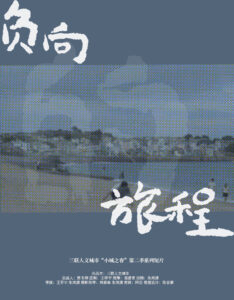
A Journey in Reverse Direction

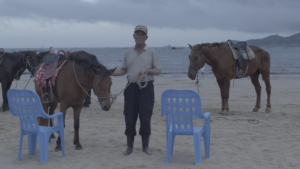
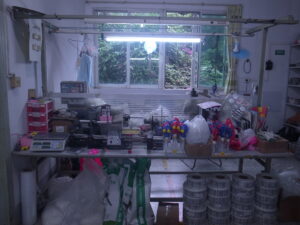
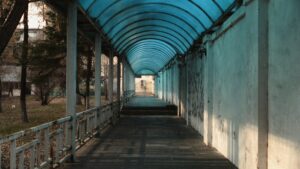
Artist Zhu Lanqing discovered an abandoned villa in her hometown island of Dongshan. The floral hairpin in an elderly woman’s bun, a youth pausing his electric scooter by the shore, a man herding horses by the sea… Only when looking back at her homeland from thousands of miles away did she realize the extraordinary within these everyday scenes.
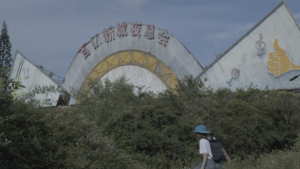
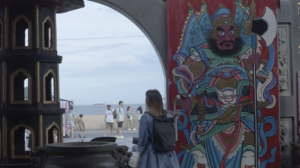
As a visual artist, Zhu Lanqing embarked on “a journey in reverse direction,” using photography to rebuild her connection with her hometown of Dongshan Island. To her, this inward search was not about nostalgia for the self. Starting from Dongshan Island—both familiar and alien—she glimpsed the ambitious 1990s and the unfulfilled dreams of a small southeastern town. Through dusty memories and a cyclical sense of time, she moved toward understanding others and the world.

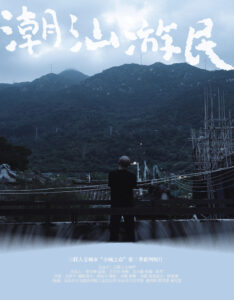
Chaoshan Nomad

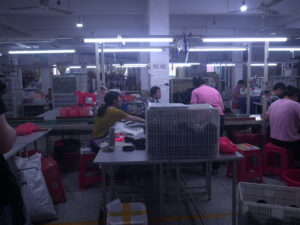
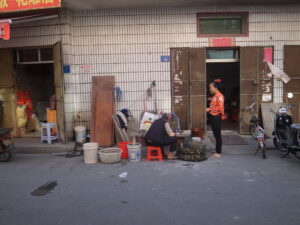
Thirty years ago, artist Sun Xiaofeng used metaphors in his work to critique the prevailing consumerism and cartoon culture of the era. In his hometown of Chenghai, Shantou, young people toiled relentlessly on “toad machines”, digging up their first fortunes in this coastal town of the south.
In 2023, as curator, Sun Xiaofeng brought the history of China’s first photographic materials factory, the AD Film Factory, into an exhibition. Within this rags-to-riches narrative lie both the sighs of an era and the unyielding spirit of the Chaozhou people.
What is a homeland? What does Chaozhou-Shanwei signify? Previously, Sun Xiaofeng might have described it as the scent of basil leaves and pearl cabbage, the bonds of family and affection rooted in this place. Yet returning now to reconnect with his homeland and himself, he has gained a deeper understanding of the Chaozhou-Shanwei spirit, discerning more clearly the unique blend of adventurous enterprise and Confucian culture that defines this region.

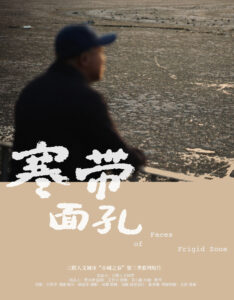
Faces of Frigid Zone

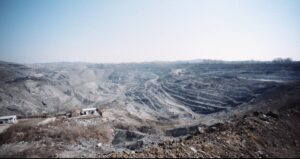
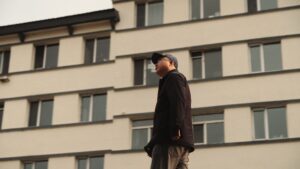
The small northeastern city of Hegang is the hometown of film director Geng Jun, and also the setting for all his cinematic narratives. Beyond the viral sensation of purchasing a flat for fifty thousand yuan, Geng Jun’s lens captures the collective emotional memories of Hegang’s residents for this former coal mining town. Much like how people seek warmth in the cold, Geng’s films document fragments of life while freezing emotional landmarks within the small city. As cities evolve and Hegang transforms, many of the emotional landmarks in Geng Jun’s narratives have vanished. The two Hegang cities that once mirrored each other now exist only as a simulacrum woven from light and shadow.

Portrait of a Place: Quanzhou

A Nowness Produced Short Film
Directed by me
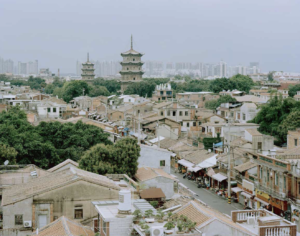
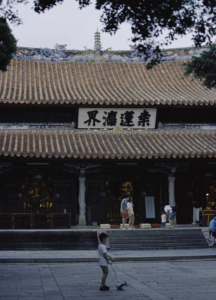
Voiced by the daughter of renowned Chinese artist Cai Guoqiang, this film is about the local culture of Quanzhou. Located by a port, the town has its own language, music, theater, and food—a unique mix of tradition and inclusiveness. It is also the birthplace of Hokkien culture, the influence of which can be seen today in Taiwan, Japan, Singapore, and other parts of Southeast Asia.